April leading indicators point to continued improvement in China’s economy. As a barometer of macroeconomic performance, leading indicators provide a direct reflection of economic activity. According to April data recently released by the National Information Center under the National Development and Reform Commission, coordinated macroeconomic policies have continued to take effect, with investment, consumption, foreign trade, and other sectors maintaining positive momentum.
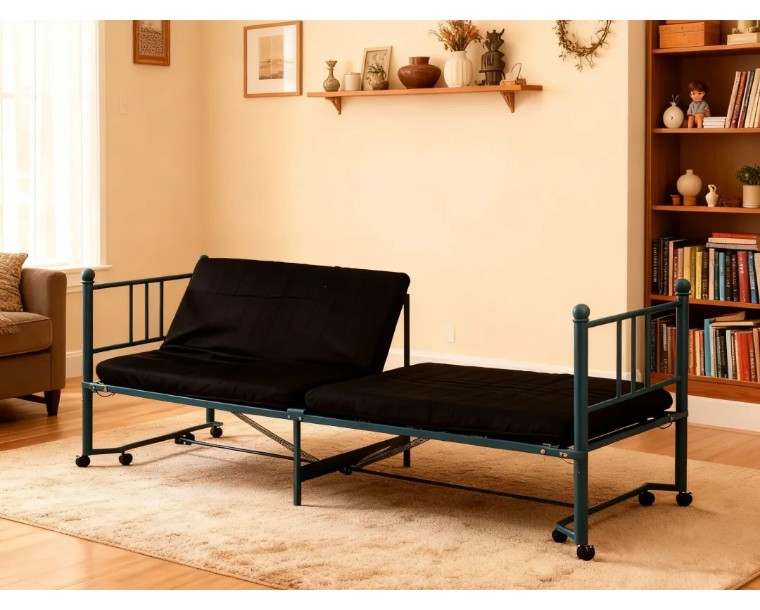

In the first quarter of 2026, China’s economy got off to a strong start, with major indicators exceeding expectations and demonstrating solid resilience and vitality. The furniture industry showed a diverging development trend, marked by recovering exports alongside manufacturing pressure, and growing domestic sales amid declining profitability. Exports maintained positive growth for three consecutive months, while the domestic market continued to serve as a key driver of industry development.
At the same time, operational pressure on enterprises continues to increase, with profit margins being further squeezed. The growth rate of cumulative retail sales of furniture products by above-designated-size enterprises has declined significantly, indicating mounting pressure on domestic sales amid a high comparison base from previous periods. Enterprises need to seize opportunities brought by policies aimed at stabilizing the real estate market and advancing urban renewal, while continuously improving the alignment between product supply and market demand to better support people’s livelihoods and industry development.

In March 2026, China’s furniture industry exports totaled USD 4.25 billion, down 32.7% year-on-year. In the first quarter, cumulative exports reached USD 17.45 billion, marking a 3.4% increase year-on-year.
Furniture industry imports totaled USD 100 million in March, down 9.5% year-on-year. Cumulative imports for the first quarter reached USD 320 million, down 8.5% year-on-year, with the decline widening by 0.4 percentage points compared with January–February.

As one of the most influential annual events in the global home furnishing and design industry, it forms the core “trendsetting arena” of contemporary design together with Milan Design Week. In 2026, the event further expanded its scale and influence. More than 1,900 global exhibitors and 915 brands gathered to showcase their innovations across over 169,000 square meters of exhibition space. From the Rho exhibition halls to more than ten design districts across the city, over 1,000 events created a multidimensional network spanning products, spaces, and design concepts.

According to data from the China Building Materials Circulation Association, the cumulative China Building Materials Home Furnishing Index (BHI) reached 122.93 in Q1 2026. During the same period, sales from building materials and home furnishing stores above designated size totaled RMB 307.96 billion, down 8.79% year-on-year.
In March, the BHI stood at 118.01, up 15.98% month-on-month. March is traditionally a peak consumption season for the building materials and home furnishing industry and a key period for achieving a strong start to the year. The sharp rebound in March indicates a moderate recovery in the market.
Overall, Q1 2026 BHI showed a “weaker start followed by recovery” trend. The Spring Festival period weighed on early-year activity, while the March renovation peak drove a clear rebound. However, overall industry sentiment and store sales remained under year-on-year pressure.
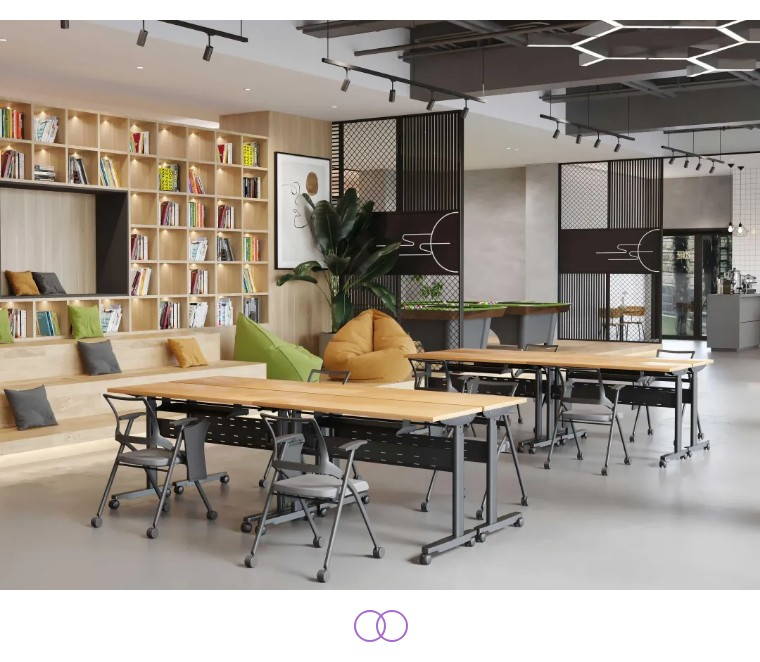
Nanyang Shangpin Modern Furniture