According to data from the China Furniture Association, furniture exports in the first half of 2026 amounted to USD 36.02 billion, marking a year-on-year increase of 3.2%, with positive growth for six consecutive months. Exports for the month of June alone reached USD 6.49 billion, representing a year-on-year increase of 9.3%.
According to feedback from the exhibition site, the number of overseas buyers has rebounded significantly, but enterprises generally face challenges from tariffs and competition from local overseas products. The industry consensus is that there is a need to upgrade from simply selling goods to brand building and operating overseas localized channels.


In August, sales of home furnishing products in the United States rebounded year-on-year, showing signs of recovery on the consumer side. However, the German furniture market was under pressure, with domestic sales declining in the first half of the year and exports to the United States falling. Demand in the European market was divided, with kitchen furniture orders increasing slightly and civilian furniture performing weakly.


Due to the rise in chemical additives and MDI raw materials, several particleboard and fiberboard enterprises have issued price adjustment notices, increasing prices by 40–50 yuan/m³, and not supporting prepaid price locking. Cost pressures are being transmitted to small and medium-sized furniture factories. Spot prices for hardwoods such as rubber wood and sugar cane have seen a slight increase.


Wood furniture factories in Vietnam and Malaysia continue to expand production, taking over domestic orders transferred to the United States. Meanwhile, with the growth of local consumer markets in Southeast Asia, Chinese furniture enterprises regard Southeast Asia as both a production base and a sales market.


Nanyang Hardware

Related News
-
 Customizable | NY-A057 Table Frame - One-stop Solution for Multiple ScenariosRead More
-
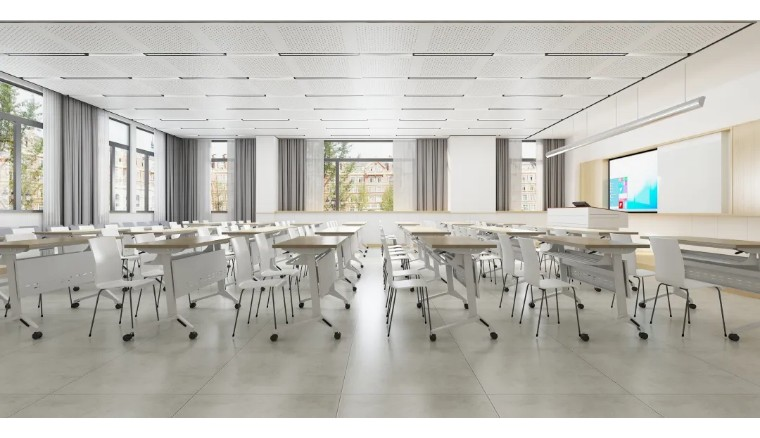 Nanyang Hardware | NY-A390 - A set of table frames with N combinations!Read More
-
 Nanyang Hardware | Weekly Newsletter - Stay Up-to-Date with Industry TrendsRead More
-
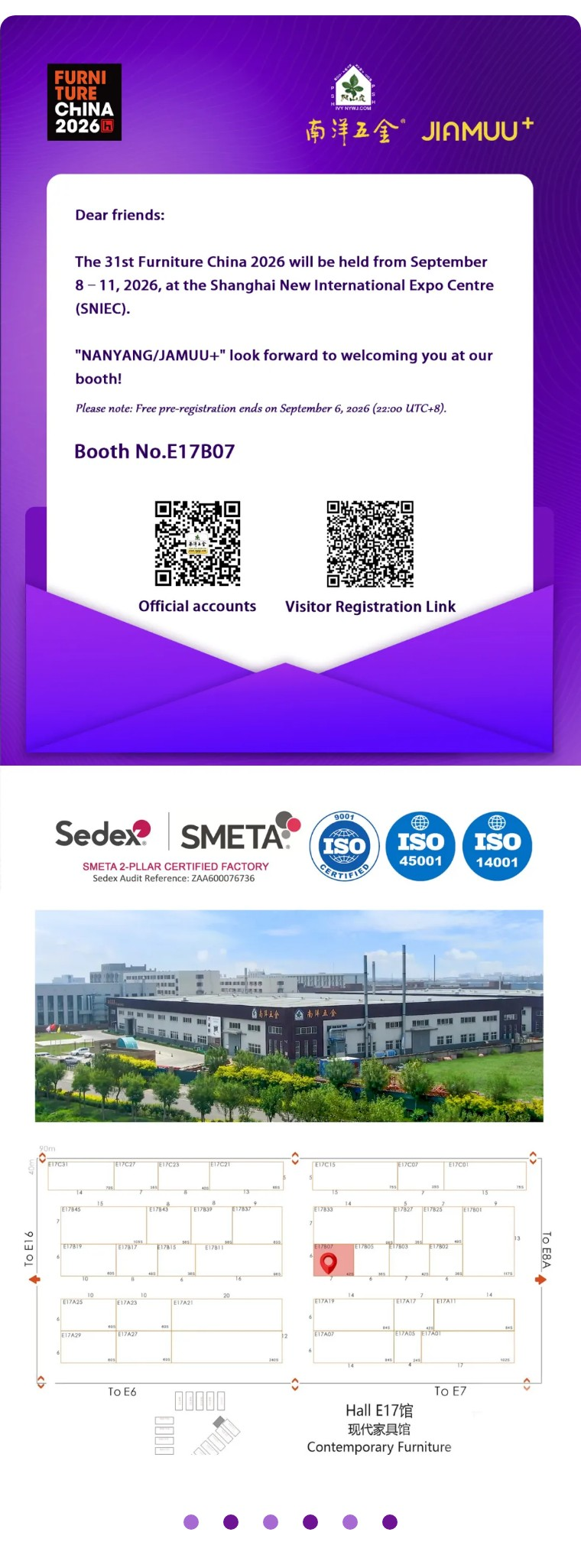 The Shanghai International Furniture Fair is about to open, and Nanyang Hardware sincerely invites you to visit!Read More
-
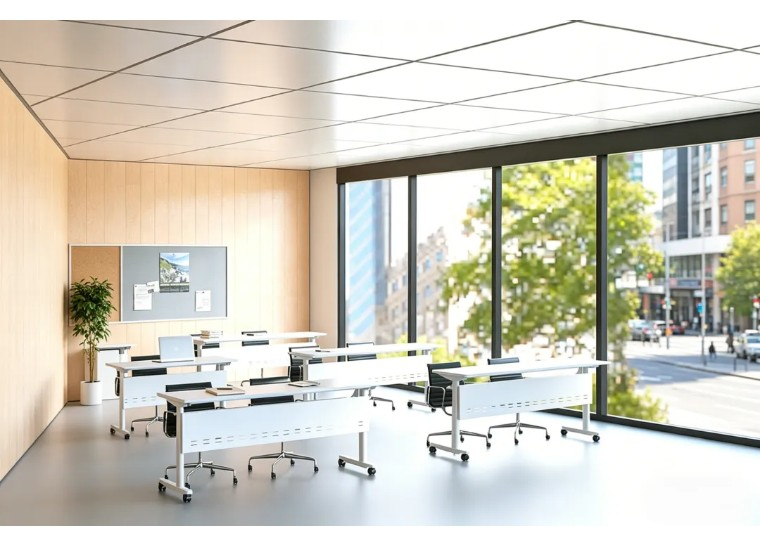 Steel-wood furniture - Educational equipment seriesRead More
-
 Factory Anniversary Celebration | 22 Years of Unity, Moving Forward Together!Read More